
Post
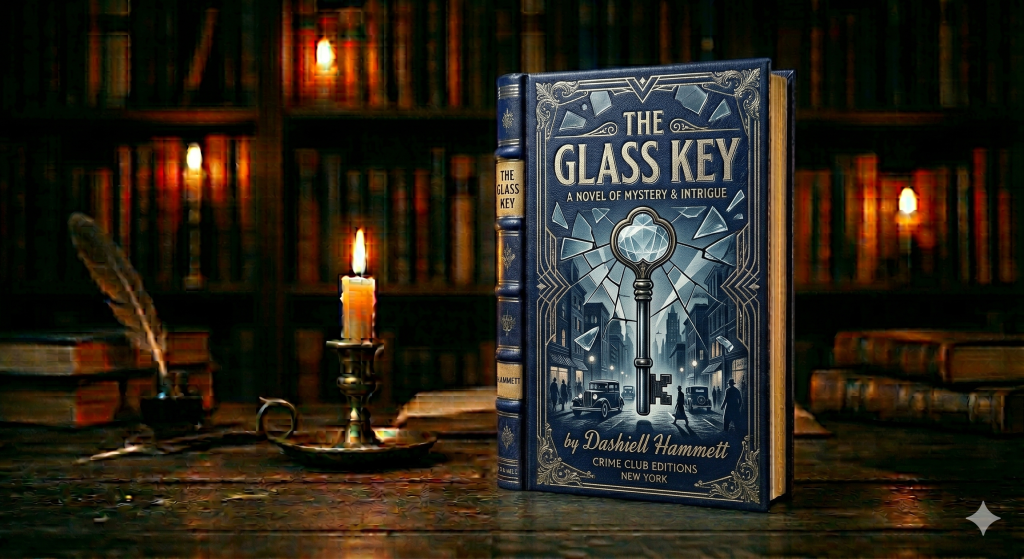
The Glass Key
May
The Glass Key
The Glass Key – Unlocking Truth, Power, and Fragility in a World Built on Secrets
Introduction: A Key That Can Break Everything
Some keys open doors. Others open truths. And then there are rare, dangerous keys—ones so fragile, so powerful, that even holding them comes with a cost.
The Glass Key is a gripping and thought-provoking narrative that explores the delicate balance between power and vulnerability. It is a story shaped by secrets, ambition, betrayal, and the invisible forces that govern human relationships.
At its core, this tale is not just about unlocking mysteries—it is about understanding the consequences of what lies behind the doors we choose to open.
Overview of the Story
The Glass Key follows a central character who becomes entangled in a complex web of political intrigue, personal loyalty, and hidden truths.
Everything begins with the discovery—or inheritance—of a mysterious object: the glass key.
Unlike ordinary keys, this one:
- Does not clearly indicate what it unlocks
- Appears fragile, yet holds immense symbolic value
- Is desired by multiple parties with conflicting intentions
As the protagonist seeks to uncover its purpose, they are drawn into a world where trust is scarce, and every decision carries weight.
The journey unfolds through:
- High-stakes negotiations
- Secret alliances
- Moral dilemmas
- Unexpected betrayals
The Symbolism of the Glass Key
The title itself is rich with meaning.
Glass as a Symbol
Glass represents:
- Fragility
- Transparency
- Illusion
It suggests something that can:
- Reveal truth
- Break under pressure
- Reflect distorted realities
The Key as a Symbol
A key traditionally represents:
- Access
- Power
- Control
It grants the holder the ability to:
- Unlock secrets
- Reveal hidden spaces
- Change outcomes
Combined Meaning
Together, The Glass Key symbolizes:
- Fragile power
- Dangerous knowledge
- The delicate nature of truth
It raises an important question:
What happens when the key to everything can shatter at any moment?
Core Themes Explored
1. Power and Its Fragility
Power in this story is not absolute—it is unstable and easily lost.
Characters who seem powerful are often:
- Dependent on others
- Vulnerable to betrayal
- Trapped by their own ambitions
The glass key becomes a metaphor for this fragile power.
2. Loyalty vs. Self-Interest
One of the central conflicts revolves around loyalty.
Characters must constantly choose between:
- Staying loyal to others
- Acting in their own best interests
These choices shape relationships and drive the narrative forward.
3. Truth and Illusion
The story blurs the line between what is real and what is perceived.
Characters are often:
- Misled by appearances
- Deceived by others
- Forced to question their own beliefs
4. Consequences of Knowledge
Knowledge is not always empowering—it can be dangerous.
The glass key represents access to information that:
- Changes perspectives
- Alters relationships
- Comes with significant consequences
Character Analysis
The Protagonist
The central character is both observer and participant.
They are:
- Intelligent
- Cautious
- Morally conflicted
As the story progresses, they evolve from a passive figure into an active decision-maker.
The Power Broker
A key figure in the narrative, representing authority and influence.
They are:
- Charismatic
- Strategic
- Unpredictable
Their relationship with the protagonist adds tension and complexity.
The Outsider
A character who exists outside the main power structure.
They provide:
- Alternative perspectives
- Unexpected insights
- A challenge to established norms
Supporting Characters
Each supporting character contributes to the narrative by:
- Advancing the plot
- Revealing hidden motives
- Adding emotional depth
Narrative Structure and Style
Slow-Building Tension
The story unfolds gradually, allowing suspense to build over time.
Each chapter adds:
- New layers of complexity
- Subtle clues
- Emotional intensity
Dialogue-Driven Scenes
Much of the story’s tension is conveyed through dialogue.
Conversations are:
- Strategic
- Layered with subtext
- Filled with hidden meaning
Atmospheric Writing
The tone is sophisticated and immersive, creating a world that feels both realistic and mysterious.
Setting and World-Building
The story takes place in a setting defined by:
- Political intrigue
- Social hierarchy
- Hidden agendas
Whether in grand halls or quiet rooms, every location contributes to the sense of tension.
Plot Development
The Discovery
The story begins with the introduction of the glass key.
Rising Conflict
As more characters become aware of the key, tensions escalate.
Complications
Unexpected alliances and betrayals complicate the narrative.
Climax
The truth about the key is revealed, leading to a decisive confrontation.
Resolution
The aftermath explores the consequences of the choices made.
Why The Glass Key Stands Out
1. Unique Central Symbol
The glass key is both literal and metaphorical, adding depth to the story.
2. Complex Characters
Each character is multi-dimensional and unpredictable.
3. Thought-Provoking Themes
The story encourages reflection on power, truth, and morality.
4. Engaging Narrative Style
The combination of suspense and philosophical insight keeps readers invested.
Target Audience
The Glass Key is ideal for readers who enjoy:
- Political thrillers
- Character-driven stories
- Psychological drama
- Stories with symbolic depth
Lessons and Takeaways
1. Power Is Not Absolute
Even the strongest positions can be fragile.
2. Truth Can Be Dangerous
Knowing too much can have consequences.
3. Trust Must Be Earned
Blind trust can lead to betrayal.
4. Choices Define Outcomes
Every decision shapes the future.
SEO Keywords (For Website Use)
Optimize this article with:
- The Glass Key book review
- political thriller novel
- mystery and intrigue story
- symbolic fiction analysis
- psychological drama novel
- suspenseful storytelling books
Conclusion: A Fragile Key to a Dangerous World
The Glass Key is a masterful exploration of power, truth, and the delicate nature of human relationships.
It reminds us that:
- Some doors are better left closed
- Some truths come at a cost
- Some power is too fragile to hold
And in the end, the most dangerous thing is not the key itself—but what it reveals.
The Glass Key – Extended Analysis: Layers of Meaning, Strategy, and Psychological Depth
Deeper Psychological Exploration
One of the most compelling aspects of The Glass Key lies in its psychological depth. Beneath the surface of political maneuvering and strategic alliances, the story reveals an intricate study of the human mind under pressure.
The protagonist is constantly placed in situations where every decision carries weight—not only in terms of consequences but also in how it reshapes their identity.
Internal Conflict
Throughout the story, the protagonist battles with:
- Self-doubt
- Fear of making irreversible mistakes
- The burden of knowledge
These internal struggles create a powerful contrast with the external world, where strength and certainty are expected.
Cognitive Dissonance
A recurring psychological theme is cognitive dissonance—the discomfort experienced when holding conflicting beliefs.
The protagonist must reconcile:
- Their personal morals
- The harsh realities of the world they inhabit
- The expectations placed upon them
This tension drives character development and adds realism to the narrative.
Strategic Thinking and Power Dynamics
Unlike traditional narratives where action dominates, The Glass Key thrives on strategy.
Every move made by the characters resembles a carefully calculated step in a high-stakes game.
The Game of Influence
Power in the story is rarely direct. Instead, it operates through:
- Influence
- Persuasion
- Manipulation
Characters must:
- Read between the lines
- Anticipate others’ moves
- Conceal their true intentions
Negotiation as Conflict
Some of the most intense moments in the story are not battles, but conversations.
Negotiations become arenas where:
- Words act as weapons
- Silence carries meaning
- Small details determine outcomes
Symbolic Objects Beyond the Glass Key
While the glass key is central, the narrative also introduces other symbolic elements that enrich the story.
Mirrors
Mirrors appear throughout the narrative, symbolizing:
- Self-reflection
- Distorted perception
- Dual identities
They often appear at moments of decision, forcing characters to confront themselves.
Doors
Doors represent:
- Opportunity
- Secrets
- Boundaries
Each door opened or closed carries narrative significance.
Shattered Glass
Broken glass is a recurring image, reinforcing themes of:
- Irreversibility
- Loss of control
- The consequences of fragile power
Philosophical Undertones
Beyond its narrative, The Glass Key raises profound philosophical questions.
What Is Power?
Is power:
- The ability to control others?
- The ability to control oneself?
- Or the knowledge of when not to act?
The story does not provide a single answer, instead presenting multiple perspectives.
Can Truth Be Owned?
The idea that truth can be possessed or controlled is challenged throughout the narrative.
Different characters:
- Interpret truth differently
- Use it as a tool
- Hide it for protection
Is Fragility a Weakness or Strength?
The glass key itself suggests that fragility is not necessarily weakness.
In some cases:
- Fragility demands care
- It creates value
- It forces awareness
Expanded Character Relationships
Trust as Currency
In this world, trust is one of the most valuable—and dangerous—currencies.
Characters must decide:
- Who to trust
- When to trust
- Whether trust is worth the risk
Betrayal and Its Impact
Betrayal is not just a plot device—it is an emotional turning point.
Its effects include:
- Shattered relationships
- Altered motivations
- Increased tension
Alliances and Their Instability
Alliances in The Glass Key are rarely permanent.
They are:
- Formed out of necessity
- Tested under pressure
- Broken when no longer beneficial
World-Building in Greater Detail
Social Hierarchies
The world is structured around a clear hierarchy:
- Those who hold power
- Those who seek it
- Those who are affected by it
Understanding this structure is key to understanding the story.
Hidden Networks
Beneath the visible world lies a network of:
- Informants
- Secret deals
- Unofficial agreements
These hidden elements drive much of the narrative.
Atmosphere of Suspicion
Trust is rare, and suspicion is constant.
This creates a tense environment where:
- Every action is scrutinized
- Every word is analyzed
- Every silence is meaningful
Narrative Techniques That Enhance the Story
Foreshadowing
Subtle hints are placed throughout the story, allowing attentive readers to anticipate future events.
Unreliable Narration
At times, the narrative perspective may not be entirely trustworthy.
This adds:
- Complexity
- Suspense
- Depth
Layered Dialogue
Dialogue often contains:
- Hidden meanings
- Double intentions
- Strategic ambiguity
Extended Plot Insights
Midpoint Twist
A major turning point shifts the reader’s understanding of the story.
This twist:
- Reframes earlier events
- Alters character motivations
- Increases stakes
Escalation of Conflict
As the story progresses, conflicts become more intense and personal.
Final Confrontation
The climax is not just physical—it is intellectual and emotional.
It forces characters to:
- Make definitive choices
- Face consequences
- Reveal their true selves
Comparative Appeal
Fans of the following styles may enjoy The Glass Key:
- Political intrigue narratives
- Psychological dramas
- Character-driven thrillers
It appeals to readers who value:
- Depth over speed
- Thought over action
- Complexity over simplicity
Marketing and SEO Expansion
To strengthen your website performance, you can expand keywords:
- deep psychological thriller novel
- symbolic mystery fiction
- political intrigue book analysis
- complex character drama story
- suspenseful strategy-based novel
- philosophical fiction book review
Potential Adaptations
The Glass Key has strong potential for adaptation into:
- A film
- A television series
- A stage production
Its dialogue-driven nature and strong characters make it ideal for visual storytelling.
Reader Experience
Readers of The Glass Key can expect:
- Slow-burning tension
- Intellectual engagement
- Emotional investment
It is not a story that rushes—it unfolds deliberately, rewarding patience.
Extended Conclusion: The Cost of Holding the Key
In the end, The Glass Key is more than a story about power or mystery—it is a reflection on human nature.
It asks:
- What are we willing to sacrifice for control?
- How much truth can we handle?
- And what happens when the key we hold is too fragile to keep?
The answers are not simple.
And perhaps that is the point.
Because in a world built on uncertainty, the most dangerous thing is not what we do not know—but what we choose to uncover.
