
Post
Whispers in the Willow
May
Whispers in the Willow
Whispers in the Willow – A Lyrical Journey Through Memory, Nature, and the Secrets We Keep
There are stories that entertain, and then there are stories that linger—softly, quietly—like the rustling of leaves in the wind. Whispers in the Willow belongs to the latter. It is not merely a book; it is an experience woven with emotion, atmosphere, and introspection. From its evocative title to its deeply layered narrative, this novel invites readers into a world where nature holds memories, silence speaks volumes, and the past is never truly gone.
In this in-depth exploration, we will uncover the heart of Whispers in the Willow: its narrative structure, characters, themes, symbolism, and the emotional resonance that makes it unforgettable.
Introduction: Where Nature Becomes a Storyteller
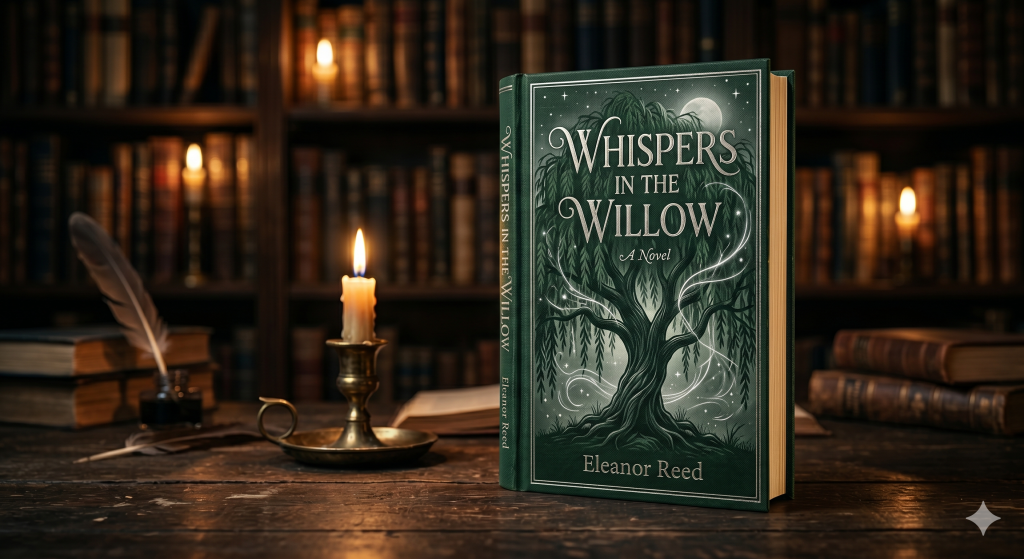
The willow tree has long been a symbol of sorrow, resilience, and quiet strength. Its branches bend but do not break, its leaves whisper in the wind, and its presence often marks places of reflection. In Whispers in the Willow, the willow is not just a setting—it is a silent witness, a keeper of secrets, and, in many ways, a character in its own right.
The story unfolds in a tranquil countryside, where a single willow tree stands near a riverbank. To outsiders, it is just a tree. But to those who know its history, it is something far more profound—a place where memories gather and truths reveal themselves in the most unexpected ways.
Plot Overview: A Return to the Roots
At its core, Whispers in the Willow follows a protagonist who returns to their childhood home after many years away. The reason for this return may seem simple at first—perhaps a family obligation, an inheritance, or the need for closure—but it soon becomes clear that the journey is deeply personal.
The willow tree, once a place of comfort and imagination during childhood, now holds a different significance. It becomes a gateway to the past, stirring memories long forgotten or deliberately buried.
As the protagonist spends time near the tree, strange occurrences begin to unfold. Whispers seem to echo through the branches—not literal voices, but sensations, emotions, and fragments of memory that feel almost alive.
The narrative alternates between past and present, gradually revealing the events that shaped the protagonist’s life. Relationships, loss, regret, and hidden truths come to light, creating a tapestry of experiences that is both intricate and deeply moving.
Themes: The Soul of the Story
1. Memory and Nostalgia
One of the central themes of Whispers in the Willow is memory—how it shapes us, comforts us, and sometimes haunts us.
The protagonist’s return to their childhood environment triggers a flood of recollections. These memories are not always clear or accurate; they are colored by emotion and time. The story explores how nostalgia can be both beautiful and deceptive.
Readers are reminded that the past is not a fixed entity. It is something we revisit, reinterpret, and sometimes struggle to understand.
2. Nature as a Living Presence
Unlike many stories where nature serves as a backdrop, Whispers in the Willow treats it as an active participant.
The willow tree symbolizes continuity and connection. It has witnessed countless moments—joyful and tragic—and holds them within its silent presence.
The natural setting enhances the emotional depth of the story. The changing seasons mirror the protagonist’s journey, reflecting growth, decay, and renewal.
3. Loss and Healing
Loss is woven throughout the narrative, manifesting in different forms—lost relationships, missed opportunities, and the passage of time.
However, the story does not dwell solely on grief. It also explores healing. Through reflection and confrontation, the protagonist begins to come to terms with their past.
The willow tree becomes a place of solace, offering a sense of continuity in a world that often feels uncertain.
4. The Power of Silence
Silence plays a crucial role in the story. It is in the quiet moments—under the shade of the willow, by the gentle flow of the river—that the most profound realizations occur.
The novel suggests that not all truths need to be spoken aloud. Sometimes, understanding comes from within, shaped by reflection and introspection.
Character Development: A Journey Within
The Protagonist
The protagonist of Whispers in the Willow is a deeply introspective individual. Their journey is not defined by external action, but by internal transformation.
At the beginning of the story, they are distant—from their past, from others, and even from themselves. As the narrative unfolds, they begin to reconnect with forgotten parts of their identity.
This transformation is subtle yet powerful. It is not marked by dramatic changes, but by quiet realizations and emotional growth.
Supporting Characters
The supporting characters serve as anchors to the protagonist’s past. Each one represents a different aspect of their life—family, friendship, love, and loss.
Some characters appear only in memories, while others are present in the current timeline. Together, they create a rich and layered narrative.
Their interactions with the protagonist reveal hidden truths and provide context for the story’s emotional depth.
Narrative Style: Poetry in Prose
One of the most distinctive features of Whispers in the Willow is its writing style. The prose is lyrical, almost poetic, filled with vivid imagery and emotional nuance.
Descriptive Imagery
The descriptions of the natural setting are particularly striking. The movement of the willow branches, the sound of the river, the play of light and shadow—all are depicted with careful attention to detail.
These elements create an immersive experience, allowing readers to feel as though they are part of the story.
Nonlinear Storytelling
The narrative moves fluidly between past and present, reflecting the way memories surface. This structure adds depth and complexity, encouraging readers to piece together the story gradually.
Symbolism and Metaphor
Symbolism is woven throughout the novel. The willow tree, the river, the changing seasons—all serve as metaphors for different aspects of life and emotion.
These symbols enrich the narrative, adding layers of meaning that resonate long after the story ends.
Emotional Resonance: A Quiet Impact
Whispers in the Willow does not rely on dramatic twists or intense action to captivate its audience. Instead, it builds a deep emotional connection through its themes and characters.
Readers may find themselves reflecting on their own experiences—childhood memories, relationships, moments of loss and growth.
The story’s impact is subtle but enduring. It lingers in the mind, much like the whispers it describes.
Why This Book Stands Out
1. A Unique Blend of Nature and Emotion
The integration of nature into the narrative sets this book apart. The willow tree is not just a symbol—it is a central element that shapes the story.
2. Authentic Emotional Depth
The emotions portrayed in the novel are genuine and relatable. There is a sense of honesty in the way the story addresses complex feelings.
3. A Reflective Reading Experience
This is not a book to rush through. It invites readers to slow down, to reflect, and to immerse themselves in its atmosphere.
4. Lasting Impression
Long after finishing the book, readers may find themselves thinking about its themes and imagery. The story leaves an imprint that is both gentle and profound.
Conclusion: The Echoes We Carry
Whispers in the Willow is a story about the things we carry with us—memories, emotions, and the quiet truths that shape our lives.
Through its lyrical prose, rich symbolism, and deeply human themes, it offers a reading experience that is both intimate and universal.
The willow tree, with its whispering leaves, becomes a metaphor for the past—always present, always influencing, yet never fully understood.
In the end, the novel reminds us that while we cannot change what has been, we can learn from it. And in that understanding, we may find a sense of peace.
